Your basket is empty

Is CBD legal in Switzerland? Understanding the current legislation

Cannabis legalization
18.05.26
CBD is raising more and more questions in Switzerland, particularly regarding its legal status. With the wide range of products available on the market, varying regulations from one country to another, and sometimes conflicting information, it is not always clear what is actually permitted.
Switzerland has a specific legal framework governing cannabis and hemp, with well-defined but sometimes little-known rules. CBD is permitted, provided certain specific criteria are met, particularly regarding THC content and the category of the product in question.
The purpose of this article is to provide clear and reliable information on current Swiss legislation. It aims to explain the applicable rules, the various types of products involved, and the key points to keep in mind, without unnecessary jargon or speculative interpretations.
Whether you’re looking to better understand the legal framework or simply want to learn more, this guide provides an accessible overview of the limits and conditions under which CBD is permitted in Switzerland.
What is CBD?
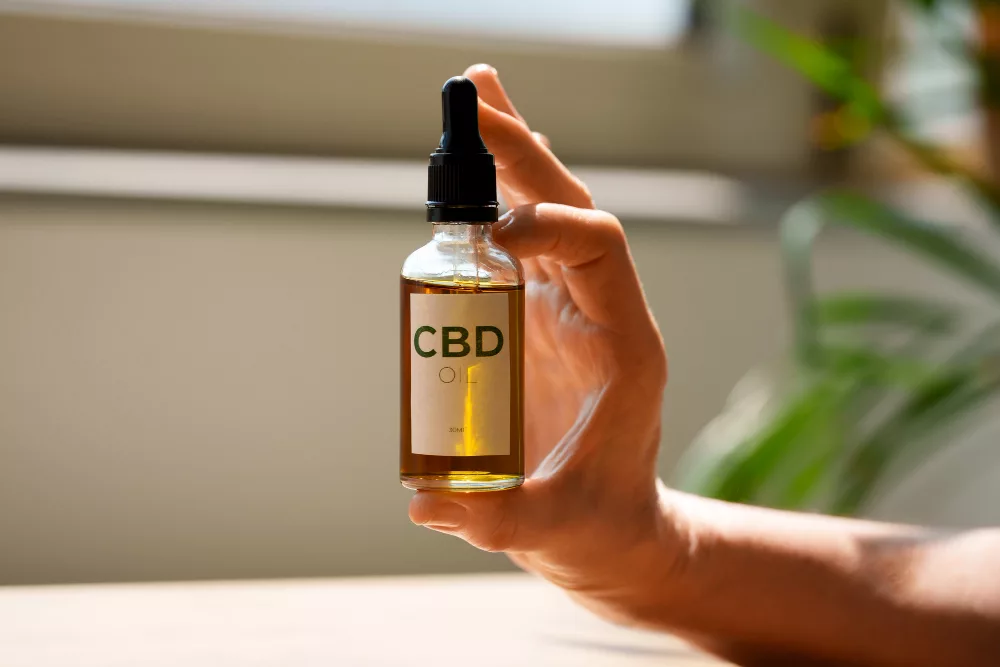
CBD, also known as cannabidiol, is a substance that the cannabis plant produces naturally. It is found primarily in certain varieties of hemp. In other words, it is not a processed or newly invented product. It is simply something that already exists in the plant.
The main reason CBD is generating so much buzz in Switzerland is that it is often confused with THC, or tetrahydrocannabinol. And this confusion is very common. Both come from the same plant, so it’s easy to lump them together. However, from a legal standpoint, they are not treated the same way.
THC is strictly regulated because it is considered a narcotic above a certain threshold. CBD, on the other hand, is subject to a different regulatory framework. In Switzerland, the rule is actually quite simple: it is not the presence of cannabidiol that matters, but the product’s THC content. As long as that content remains below the limit set by federal law, the product can be considered legal.
That is why CBD is now available in various forms on the Swiss market. Flowers, oils, cosmetics… All of these products are made from hemp grown according to specific guidelines. They must also meet strict quality and traceability standards, so that consumers know exactly what they are buying.
Ultimately, understanding what CBD is means understanding this: in Switzerland, cannabidiol is not illegal in and of itself. It is the regulations governing THC levels, sales, possession, and consumption that determine whether a product complies with the law or not.
History of CBD Legislation in Switzerland
To understand why CBD is now legal in Switzerland, we need to take a step back and look at how Swiss legislation has evolved. For a long time, the law did not really distinguish between the various substances derived from cannabis. Hemp, THC, and other components were generally treated the same way, which made the legal framework difficult to understand.
A major change took place in 2011. That year, Switzerland decided to set a clear threshold: products containing less than 1% THC are no longer considered narcotics under the law. This decision marked a significant turning point in the federal government’s approach to cannabis and its derivatives.
Impact on the CBD market
From that point on, CBD began to find its place. Not suddenly, but gradually. The CBD market grew as regulations became clearer. Switzerland then adopted an approach that was fairly typical of how it operates: neither a total ban nor unregulated freedom. It chose to establish a regulatory framework.
Regulations are gradually being developed based on the product’s intended use and form. Depending on whether the product is flowers, oils, or cosmetics, different rules apply, overseen by several federal agencies. This may seem complex, but the goal remains the same: to ensure a high level of safety for consumers and to maintain a clear regulatory framework for the market.
It is this step-by-step approach that explains why Switzerland today takes a slightly different stance on cannabis-related issues. The rules surrounding CBD are not set in stone; they continue to evolve over time. But the guiding principle remains the same: to establish a clear framework, set simple boundaries, and avoid gray areas. The idea, essentially, is for everyone to know where they stand and what is actually permitted, without making life more complicated. A related article takes a closer look at legal cannabis in Switzerland.
Types of products containing CBD
In Switzerland, CBD comes in many different forms. And that’s often where the confusion begins. Depending on the type of product and its intended use, the rules aren’t exactly the same.
In other words, two CBD products can be approved while being regulated differently. For consumers, this isn’t always easy to understand. The idea here is to explain things simply, without jargon.
Flowers and resins
CBD flowers are usually the first thing that comes to mind. They come directly from hemp and look very similar to traditional cannabis flowers. In Switzerland, their sale is permitted as long as the THC content remains below the legal limit.
What matters is not just the product itself, but also the information that comes with it. The origin, THC content, and quality must be clearly stated. This ensures that everything is in compliance, especially in the event of an inspection.
CBD resins work in the same way. Again, it is not the CBD itself that is the issue, but compliance with the rules regarding THC and the regulations in place.
Oils and cosmetics
CBD oils are widely available, but their classification depends largely on their intended use. Some are marketed as technical or aromatic products, while others fall into the cosmetics category and are intended for external use.
In any case, clarity is essential. The ingredients, the source of the hemp, the THC content, and the instructions for use must be easy to understand. This helps prevent misunderstandings and ensures a high standard of quality.
CBD cosmetics, such as creams or balms, are subject to their own set of rules. They must comply with Swiss cosmetic regulations, particularly with regard to safety.
Food and Beverages
As soon as CBD is intended for consumption, the rules become stricter. In Switzerland, the authorities are proceeding with great caution on this issue. There is another channel for medical cannabis: CBD sold in pharmacies.
Today, the sale of food or beverage products containing cannabidiol is strictly regulated. This approach is primarily intended to protect consumers, pending the establishment of a more specific regulatory framework at the federal level. The therapeutic use of CBD is governed by different rules: medical CBD.
E-liquids and vaporizers
CBD can also be found in e-liquids or products designed for vaporizers. Again, it all depends on how these products are marketed.
They must comply with clear rules, particularly regarding their composition, quality, and the information provided. As long as the THC content complies with the law and all requirements are met, they are permitted to be sold.
Maximum permitted THC level
When discussing CBD in Switzerland, there’s one key rule to keep in mind: it all comes down to the THC content. That figure determines whether a product is legal or not.
In Switzerland, the limit is set at 1% THC. Below this threshold, a cannabis-derived product is not considered a narcotic. This is unique to Switzerland, and it also explains why the CBD market operates differently from that of other countries. An article explains what the Swiss CBD THC limit entails.
Legal Consequences of Possession
This threshold is particularly important when it comes to possession. If a product exceeds the authorized limit, it may be reclassified as a narcotic, with far more serious consequences.
For consumers, this mainly means being mindful of what they buy. Taking the time to check the labeling, origin, and information provided at the time of purchase is essential, especially in the event of an inspection or when going through customs.
Risk of fines and legal action
If the rules are not followed, penalties may be imposed. These can range from a fine to more serious legal action, depending on the situation and the quantities involved.
That is why the legal framework exists. In Switzerland, the logic is simple: as long as the THC limit is not exceeded and the rules are followed, CBD can be legally possessed and sold, with no unpleasant surprises.
Practical Tips for Consumers
When it comes to CBD in Switzerland, there’s one thing people want above all else: to understand how to do things right, without making life more complicated. You don’t need to be a lawyer or an expert on the subject. With a few simple guidelines, you can avoid a lot of questions and unpleasant surprises.
Must you be 18 to consume?
In Switzerland, the use of cannabis is strongly discouraged for minors, particularly for several reasons:
- Studies on its long-term health side-effects, particularly on young people, are still very limited.
- Confusion between CBD and THC (the psychoactive product of cannabis) is rife. Legal cannabis contains less than 1% THC, but any confusion or abuse should be avoided.
- The Swiss authorities would like to see real regulation and supervision of access to this product. This will ensure that every product placed on the market complies with strict quality standards.
To learn more about this topic, check out our article on the legality of CBD for minors.
Buying CBD Products: What You Need to Know
Before buying a CBD product, it’s best to take a moment to check the label. Not the technical details, just the basics. Where does the product come from? What is the THC content? Is the information clear and easy to find?
In Switzerland, compliant products generally display this information clearly. The origin of the hemp, quality analyses, labeling… everything must be clearly visible. When there’s transparency, it’s often a good sign.
It’s also worth paying attention to how the product is marketed. A flower, an oil, or a cosmetic product don’t all fit into exactly the same category. If everything is consistent and clearly explained, you’re usually dealing with a reputable product. And when in doubt, it’s better to choose suppliers who take the time to educate you, rather than those who are just trying to make a sale at any cost.
One final point is worth noting: purchases made abroad. A product may seem acceptable elsewhere but could cause problems once it clears Swiss customs. To avoid unnecessary complications, sticking to products that comply with Swiss regulations is often the simplest solution. Buying from a Swiss manufacturer like Naturalpes avoids these uncertainties.
Responsible consumption
Even when CBD is legal, that doesn’t mean you can do whatever you want. A responsible approach is based above all on common sense.
This means complying with current regulations, particularly regarding THC levels, but also being mindful of the context. For example, certain situations —such as driving —can become problematic if traces of THC are detected, even with a compliant product.
Reading the information, following the instructions, and paying attention to what you’re using can help prevent misunderstandings. The goal isn’t to limit yourself, but simply to make informed decisions.
Conclusion and Outlook
Ultimately, the laws surrounding CBD in Switzerland may seem complex at first glance. But once you understand the basics, they are based primarily on fairly simple principles.
Summary of Key Points
In Switzerland, CBD is legal as long as certain rules are followed. The key factor is the THC content, which must not exceed the legal limit. This rule applies to all products available on the market, whether they are flowers, oils, cosmetics, or other formats.
Swiss law makes a clear distinction between cannabidiol and THC, while regulating their sale, possession, and use. For consumers, this mainly means paying close attention to the information provided and choosing products that are clearly labeled.
The Future of CBD Legislation in Switzerland
The legal framework surrounding CBD is not set in stone. In Switzerland, regulations often evolve in stages, depending on usage patterns, market conditions, and decisions made at the federal level.
The idea remains the same: to avoid ambiguity and provide a clear framework. Some rules may be further clarified in the future, particularly for certain product categories.
In the meantime, the best approach remains simple: stay informed, stay alert, and choose compliant products. CBD in Switzerland is, above all, about clarity and responsibility, so that everyone can know what’s allowed—without stress or confusion. Our dedicated section provides ongoing coverage of CBD and Swiss law.
Written by Anthony Lecas