Your basket is empty

CBD oil or hemp essential oil: What are the differences?
Cannabis News
22.10.25
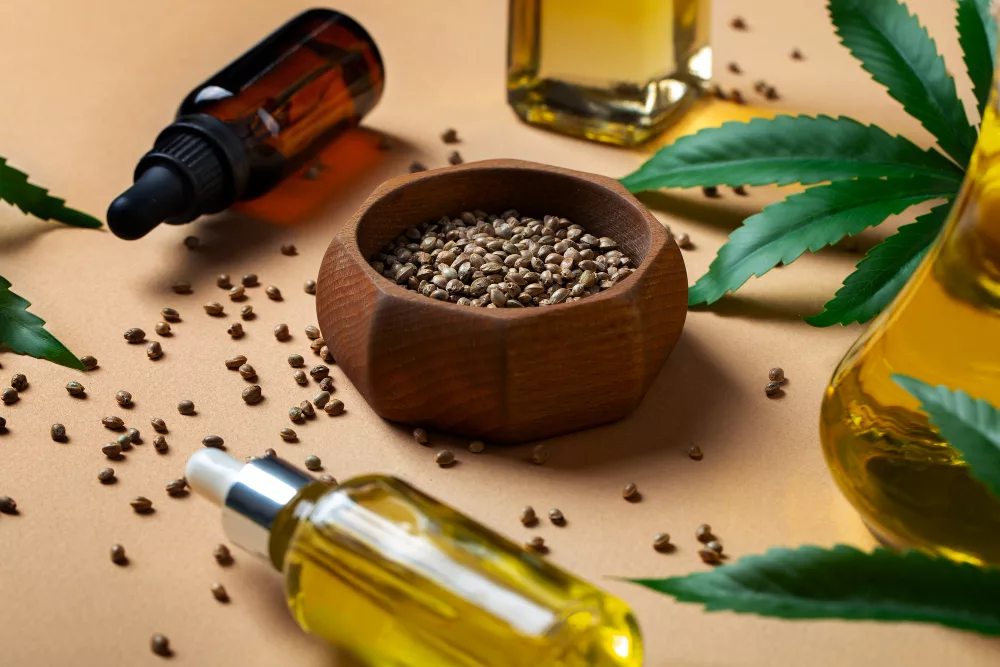
CBD oil and hemp essential oil come from the same plant, but they are two distinct extracts. The former is concentrated in cannabidiol and is applied to the skin; the latter contains only aromatic terpenes and is intended for use in aromatherapy. This guide compares their origins, compositions, textures, and uses to help you choose the right one.
Key takeaways
- CBD oil is a cosmetic extract rich in cannabidiol, obtained from dried hemp leaves and stems.
- Hemp essential oil does not contain CBD: it is composed of volatile terpenes derived from the distillation of the fresh plant.
- Both are derived from legal hemp (Cannabis sativa L.) containing less than 1% THC.
- Essential oils are used for fragrance and diffusion; CBD oil is incorporated into a skincare routine for external use.
- CBD oil can be recognized by its viscous texture; essential oil is fluid and more viscous.
One plant, two extraction methods
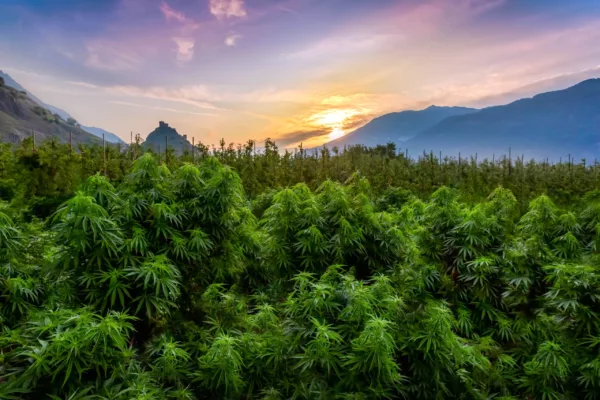
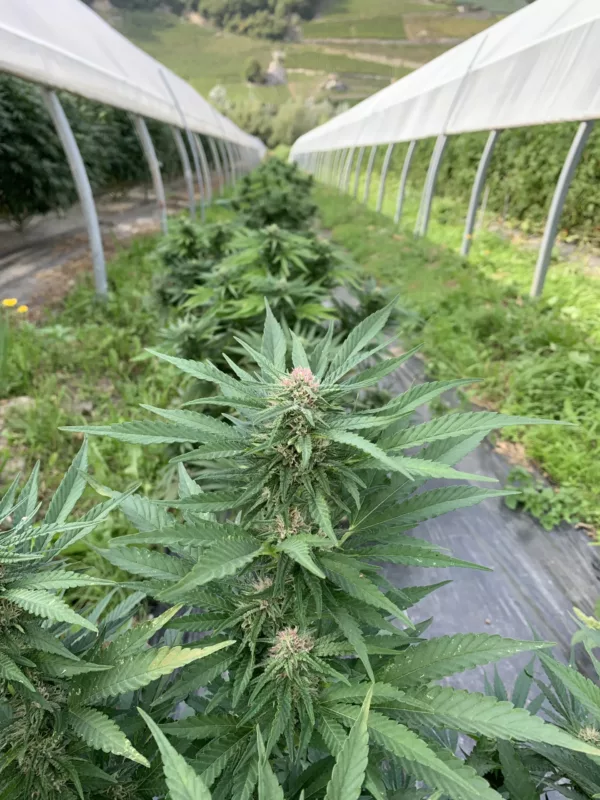
The two extracts share the same botanical origin but are produced using opposite extraction methods. Both are derived from hemp legally grown in Switzerland, with a THC content below 1%. What sets them apart is the part of the plant used and the method employed. To compare specific products, theCBD oil line provides a good reference point for the available concentrations.
- Hemp essential oil: steam-distilled from the fresh above-ground parts (leaves, young stems, flowering tops). It captures the volatile aromatic molecules.
- CBD oil: obtained through supercritical CO2 extraction or maceration in a vegetable oil, using the leaves and stems. It is rich in cannabinoids, flavonoids, and chlorophyll.
Distillation does not remove cannabidiol, which is too heavy to evaporate. Therefore, hemp essential oil does not contain CBD, contrary to what its name sometimes suggests.
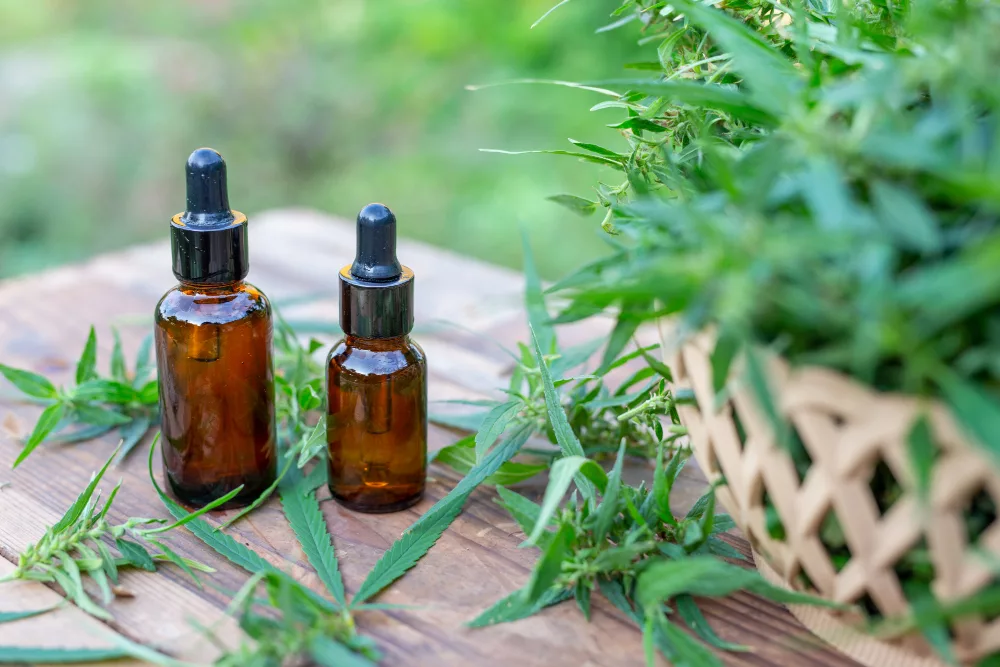
Composition: terpenes on one side, cannabinoids on the other
The difference in composition is clear: essential oil contains terpenes, while CBD oil is rich in cannabinoids. These are two families of molecules with different physical properties.
| Criterion | Hemp essential oil | CBD oil |
|---|---|---|
| Dominant molecules | Terpenes (myrcene, limonene, pinene, caryophyllene) | Cannabidiol (CBD), CBG, CBC, CBN |
| Presence of CBD | No | Yes |
| Volatility | High (aromatic molecules) | Low (stable molecules) |
| Part of the plant | Less than 1% of fresh weight | Varies depending on the concentration |
Terpenes are responsible for hemp’s herbal, woody, and citrusy notes. Cannabidiol, on the other hand, has almost no odor. That’s why the former has a strong smell, while the latter is barely noticeable to the nose.
Appearance, smell, and texture: How can you tell them apart?
In practice, the texture and scent are often enough to distinguish between the two extracts. One is fluid and fragrant; the other is oily and odorless.
- Essential oil: a colorless to slightly yellow liquid with a strong fragrance that evaporates at room temperature.
- CBD oil: viscous consistency, color ranging from dark green (Raw, unrefined) to golden (Wellness, refined), stable at room temperature, with a subtle odor.
The color of a CBD oil provides insight into how it was processed: a “Raw” extract retains the plant’s pigments, while a filtered “Wellness” extract has a light golden hue. An essential oil, on the other hand, is always clear.
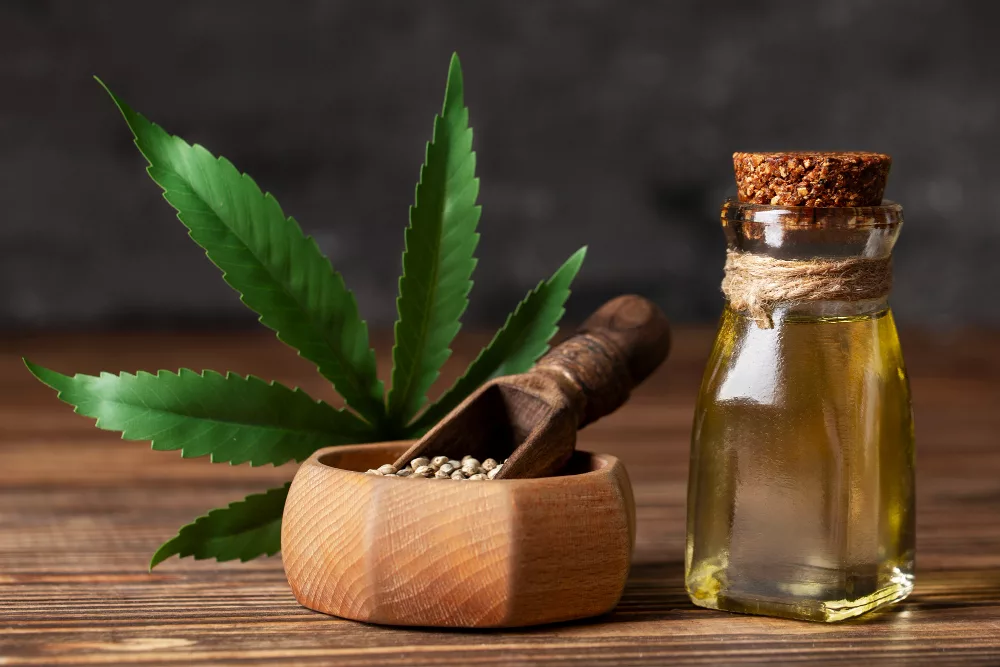
What are the uses for each one?
The two extracts are not used in the same way: the essential oil is diffused, while the CBD oil is applied topically. Their uses also differ in the cosmetic context.
- Hemp essential oil: Add a few drops to a diffuser to create a signature scent, or use it in natural perfumery. The amounts used are very small (1 to 3 drops).
- CBD oil: Can be incorporated into a skincare routine for external use by massaging it into the skin. Available in several concentrations (5%, 13%, 20%, and 32%) and profiles (Wellness, Raw, Gold).
A helpful reminder: These two products are intended for cosmetic and fragrance use. They are for external use only. For more information on skincare, our guide to CBD cosmetics details the available formats.
How do you choose between the two?
The choice depends on what you're looking for: a fragrant atmosphere or a product to apply. Here's a simple guide.
- Choose hemp essential oil if you're looking for a signature scent, an oil for a diffuser, or a base for your homemade creations.
- Choose CBD oil if you're looking for an extract to incorporate into your daily skincare routine, applied directly to the skin.
There’s no need to choose: both serve complementary purposes. Essential oil sets the mood, while CBD oil complements your routine.
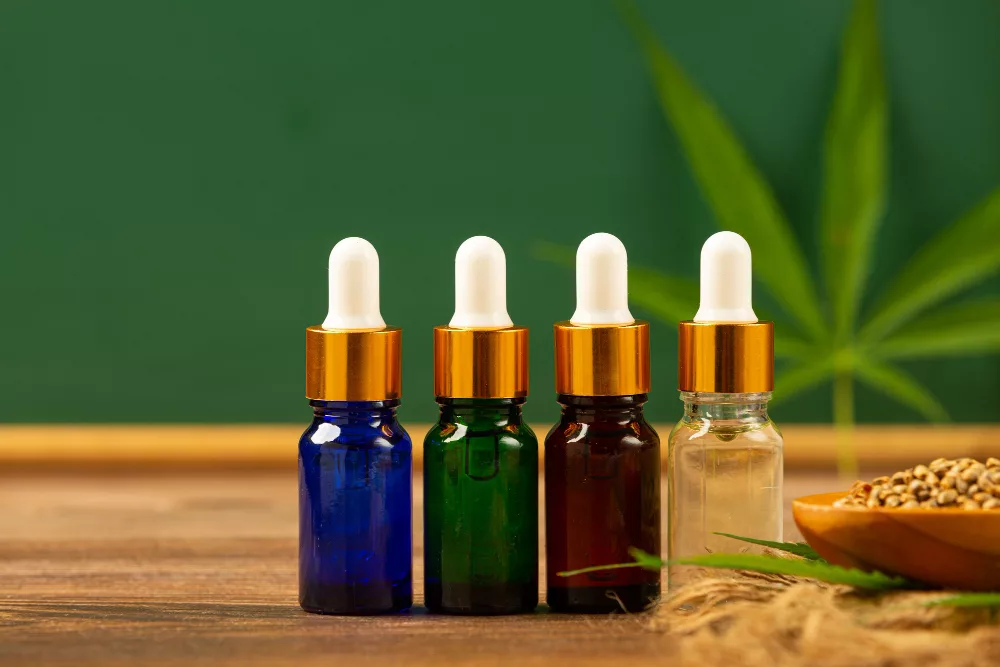
Swiss Hemp Naturalpes, from the field to your daily routine
At Naturalpes, our CBD oils are crafted in Switzerland from hand-harvested hemp. For those new to CBD, the Wellness 13% oil offers a refined extract with a mild profile;the Wellness 20% CBD oil is ideal for those with an established routine who are looking for a higher concentration. Choose from full-spectrum or THC-free options, depending on the line you select. A choice rooted in nature, designed to seamlessly integrate into your daily life.
Key Takeaways
CBD oil and hemp essential oil come from the same plant but are not the same thing: the former contains concentrated cannabidiol for external cosmetic use, while the latter contains only terpenes and is used as a fragrance. Use texture and scent to tell them apart, then choose based on your needs—whether for skincare or fragrance. To learn more, explore the concentrations and the Wellness, Raw, and Gold profiles in our line of Swiss hemp oils.
FAQ: CBD Oil and Hemp Essential Oil
Does hemp essential oil contain CBD?
No. Steam distillation, which produces essential oil, captures only the volatile terpenes. Cannabidiol, a heavy, non-volatile molecule, remains in the plant. Hemp essential oil therefore contains no CBD.
Can CBD oil be used in a diffuser?
That is not its intended use. CBD oil is a viscous, heat-stable extract designed for external application to the skin. For aromatherapy, hemp essential oil is the appropriate choice.
Are both of them legal in Switzerland?
Yes, as long as they are derived from hemp containing less than 1% THC—the legal threshold in Switzerland. Both extracts fall within this range.
How can you tell the difference between CBD oil and essential oil?
The texture is a key difference: CBD oil is thick and has little odor, while essential oil is runny and very fragrant. Color is also a clue—dark green to golden for CBD, and colorless for essential oil.
What CBD oil concentration should you choose to start with?
An intermediate concentration, such as 13%, is a good starting point for an initial routine. The Wellness (refined) and Raw (unrefined) blends differ in color and texture.
Written by johannboschung